Moving from Cocos2d-x to Unity for GRAVEFIRE
A production note on making Unity the engine for GRAVEFIRE, so the isometric dungeon crawl, card battles, map events, and multi-platform plan can share one codebase.
The current GRAVEFIRE factsheet is simple: the game is being built in Unity.
That is a meaningful shift from earlier mobile work. My previous game workflow used JavaScript on both the client and server, with Cocos2d-x on the game side. That was comfortable because it stayed close to code, but Cocos2d-x moved away from JavaScript support and pushed developers toward Cocos Creator.
If I am learning a new tool anyway, Unity is the better fit for GRAVEFIRE.
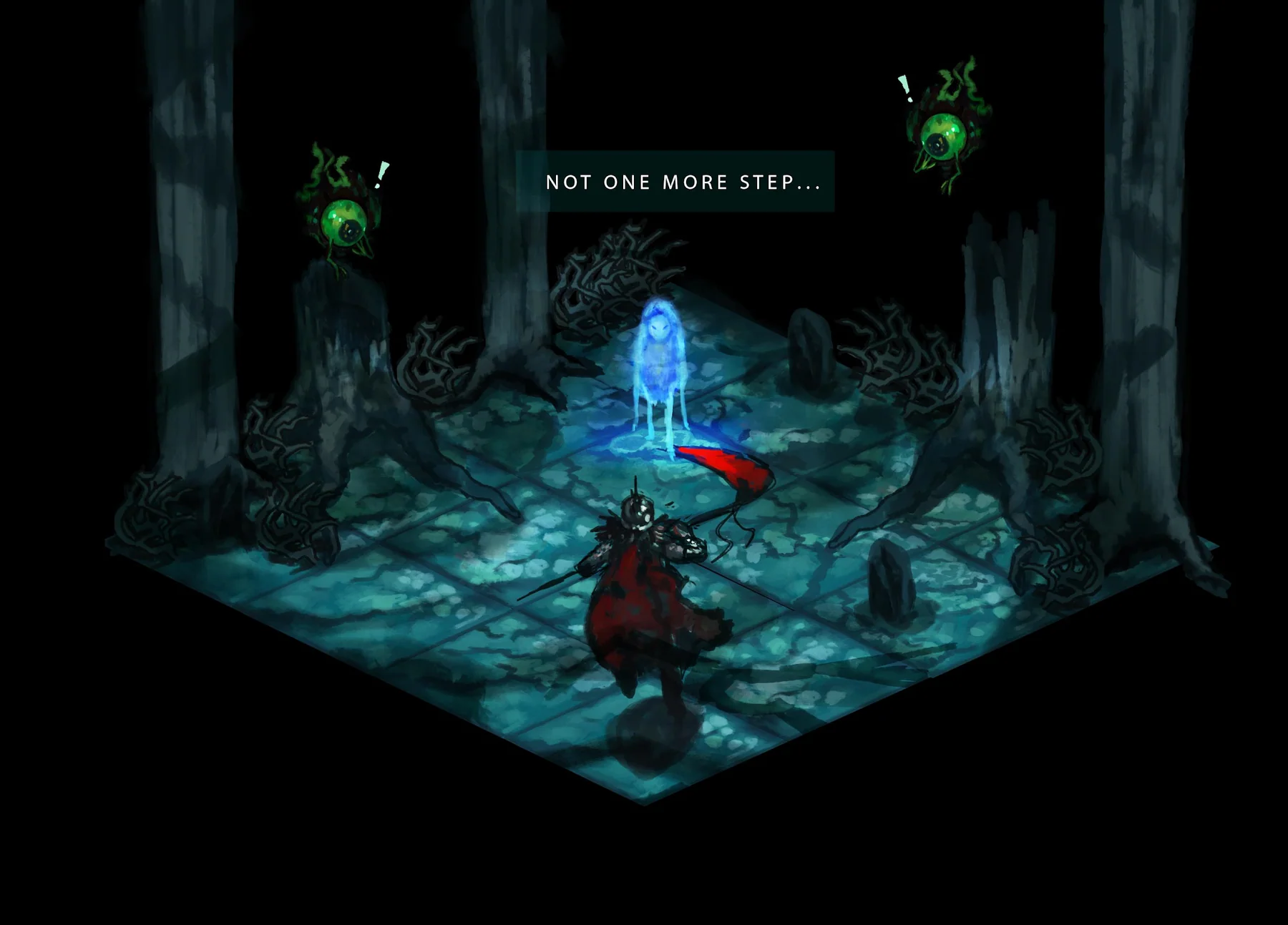
The design asks for several systems to work together:
- Isometric dungeon floors with rooms, narrow hallways, stairs, and monster totems.
- Card-based battles where heroes, enemies, attacks, powers, skills, and items can all be represented as cards.
- A world map that unlocks regions and events over time.
- Cutscenes, memories, situations, and choice-driven outcomes.
- A premium release plan with PC as the primary platform and iOS/Android as secondary platforms.
Unity gives the project a practical path for this shape. It supports the isometric presentation, the UI-heavy card battle layer, and the platform spread without forcing each target into a separate implementation.
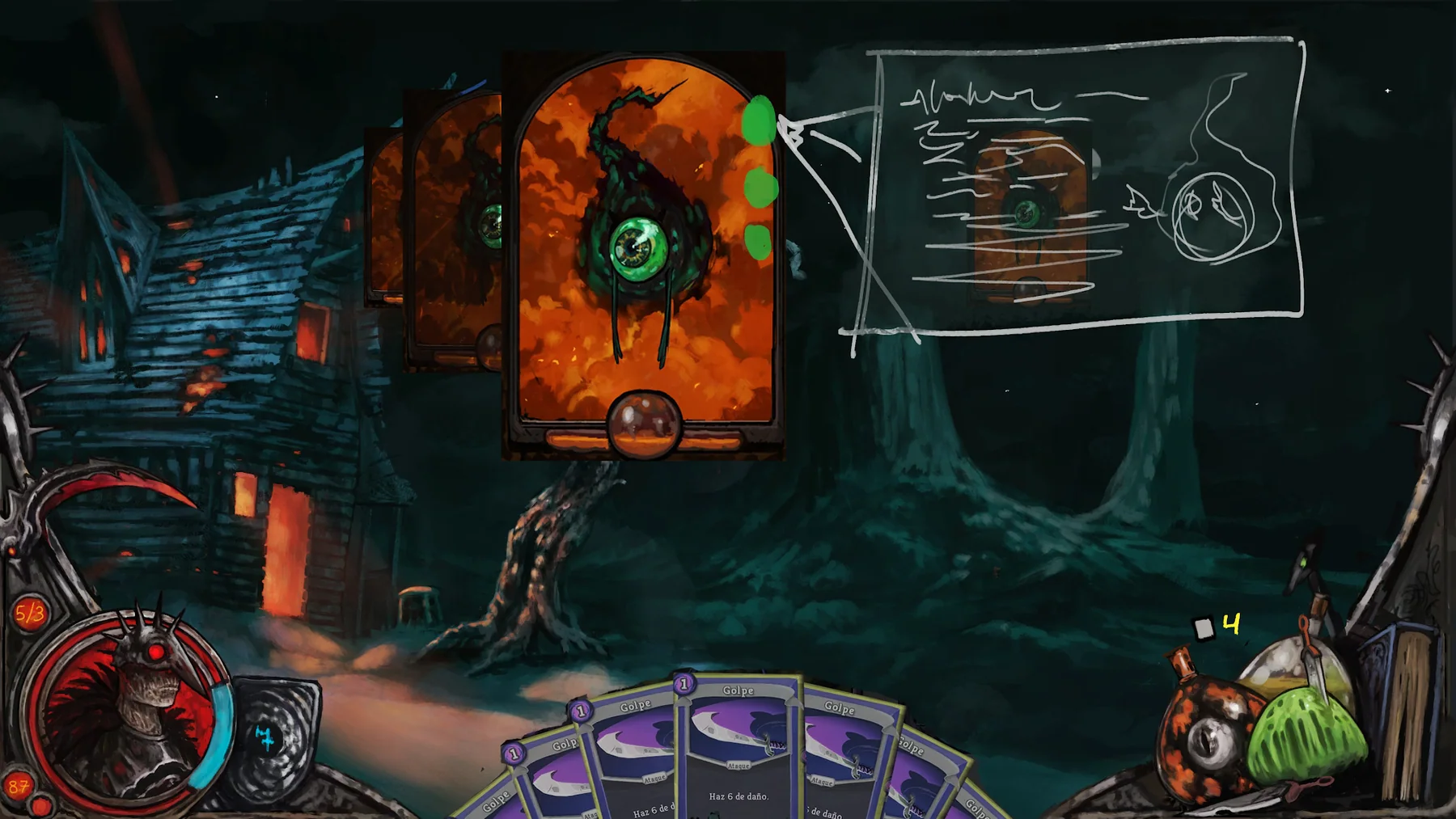
The goal is not just to move engines. The goal is to reduce framework work and spend more time proving the actual game: the dungeon loop, the deck-building, the event structure, and the story reveals that make each region matter.
Comments